
Clinically accurate autorefraction for high-volume community health vision care
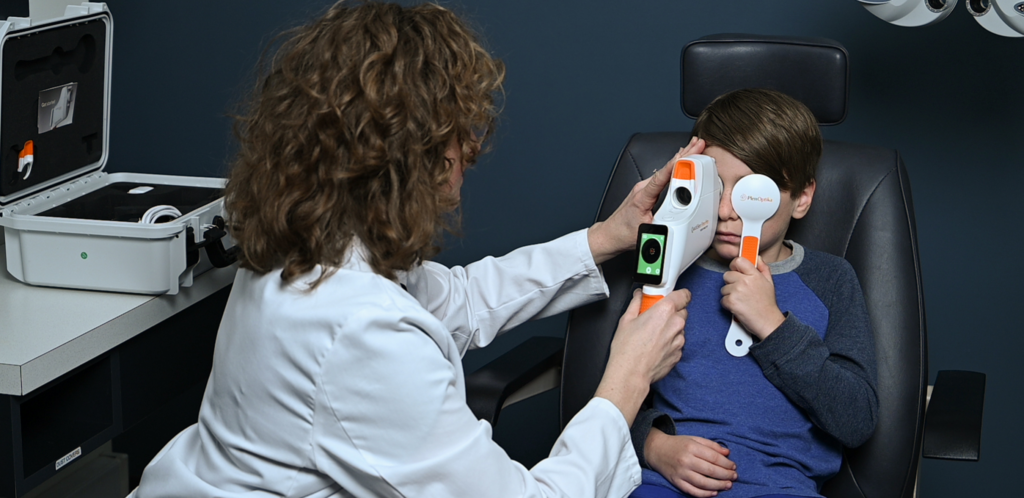
Built for clinicians serving more patients—including pediatric populations—with limited time and resources
QuickSee Free is designed for the realities of community health: high volume, limited staffing, and care that happens in more than one place.
Fast enough to fit the schedule
Measurement in about 45s on anyone anywhere, no dedicated exam lane required.
Accurate enough to trust
Validated in underserved and pediatric populations, with eyeglass acceptance comparable to subjective refraction.
Portable enough to follow the care
Battery-powered, works in satellite sites, mobile units, and schools.
Pediatric-ready
No dilation or cycloplegia required, reducing friction in high child-volume settings.
Clinician-centered
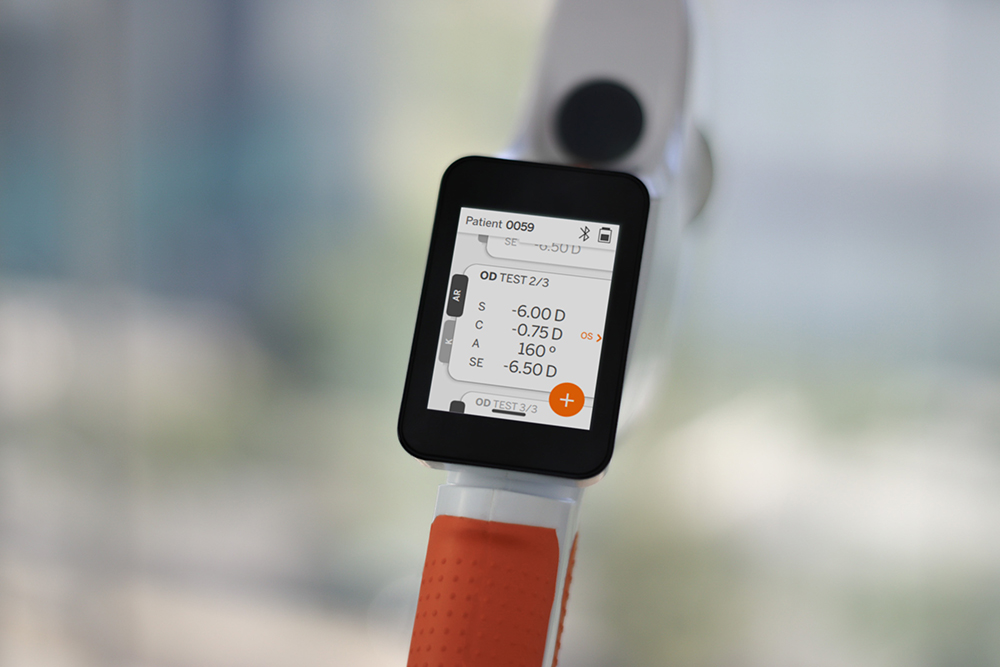
Reliable, detailed objective wavefront refraction data equip optometrists with powerful clinical insights.
About QuickSee Free
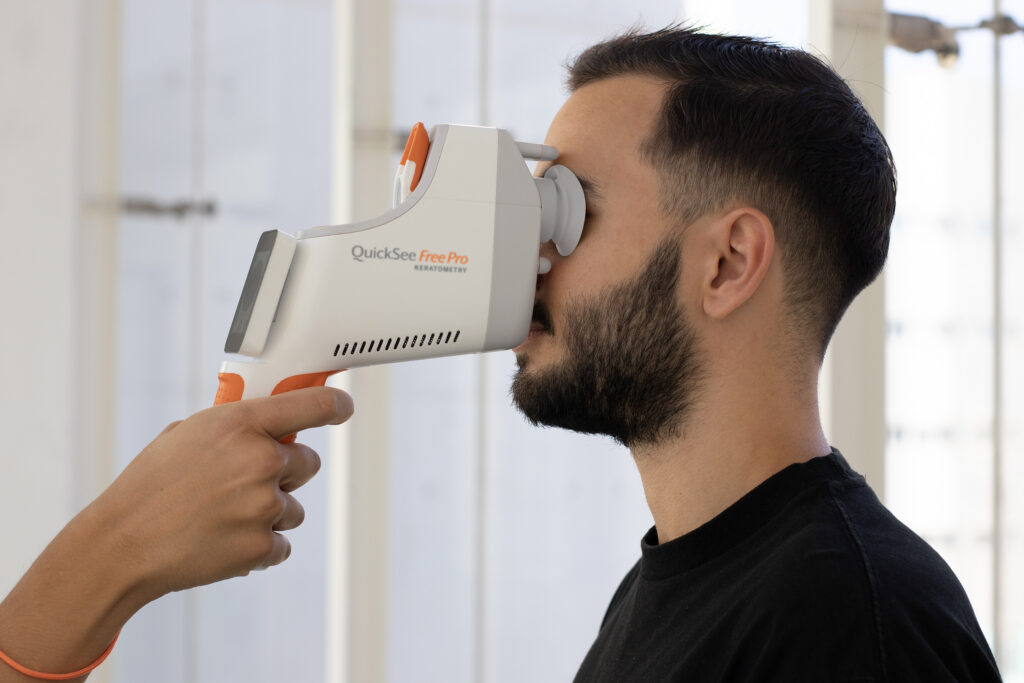
QuickSee Free is a handheld autorefractor that uses wavefront aberrometry to perform objective refraction.
QuickSee Free Pro includes both autorefraction and keratometry in a single, efficient measurement.
Unlike traditional desktop autorefractors, QuickSee Free is:
- Portable and battery-powered
- Designed for flexible workflows and multi-site care
- Well-suited for community clinics serving adult and pediatric patients
QuickSee Free and Free Pro are FDA Class I (510(k)-exempt), ADA-compliant, and available for purchase in the United States.
See it in action
Try in your practiceAutorefraction you can trust
Peer-reviewed clinical studies across adult and pediatric populations—including young children—demonstrate that objective refraction measurements obtained with QuickSee technology show strong agreement with subjective refraction and accuracy comparable to benchmark desktop autorefractors.
±0.25D
Excellent agreement: 70–75% of adult patients
Most precise threshold in clinical research
±0.5D
Good agreement: 80–90% of adult patients
Standard clinical threshold in
literature
Within ±0.50 D for astigmatic components
Precision on the hardest component to measure
Peer-reviewed results published in




Designed for workflows where chair time matters
QuickSee Free supports environments where efficiency directly affects access to care for adults and pediatric patients alike.
Fast, efficient measurements
- Measurements completed in ~10 seconds
- Minimal setup and no dedicated exam lane required
Reduced bottlenecks in high-volume care
- Provides a strong objective foundation for refraction decisions
- Supports consistent refraction inputs across clinicians and sites
Scales across care models
- Centralized community clinics
- Mobile units and outreach programs
- Multi-site systems serving families and children
By supporting efficient refraction workflows, QuickSee Free helps clinics expand access while preserving clinician time for care that requires direct judgment and interaction.
Multimodal wavefront aberrometryA more complete optical picture
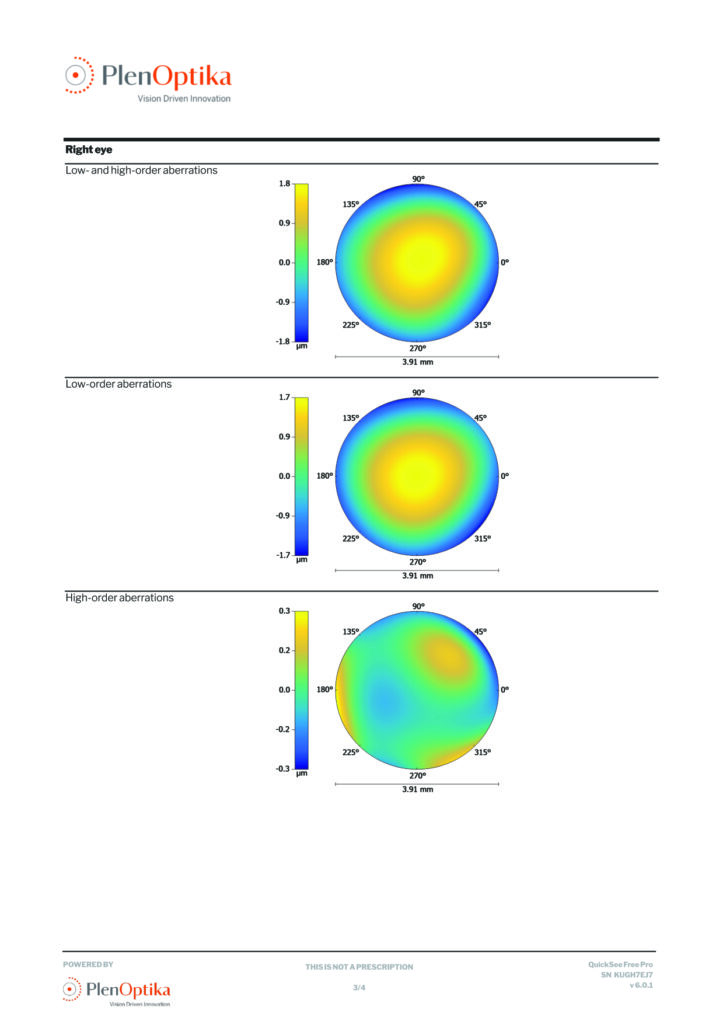
By capturing both low- and high-order aberrations, QuickSee Free Pro’s multimodal wavefront approach provides a more complete optical picture that supports precise refraction and helps clinicians recognize when factors beyond standard refraction may be influencing acuity.
Wavefront aberrometry measures how light travels through the eye, capturing both low- and high-order aberrations from a single measurement. QuickSee Free and QuickSee Free Pro use wavefront aberrometry to measure objective refraction; QuickSee Free Pro supplements the autorefraction data with patients’ keratometry and wavefront data.
This provides clinicians with:
- Objective sphere, cylinder, and axis measurements
- Keratometry data
- Additional optical insights useful in adult and pediatric refraction
QuickSee Free and Free Pro bring established wavefront science into a practical, handheld system designed for everyday clinical use across age groups.
Screening mode
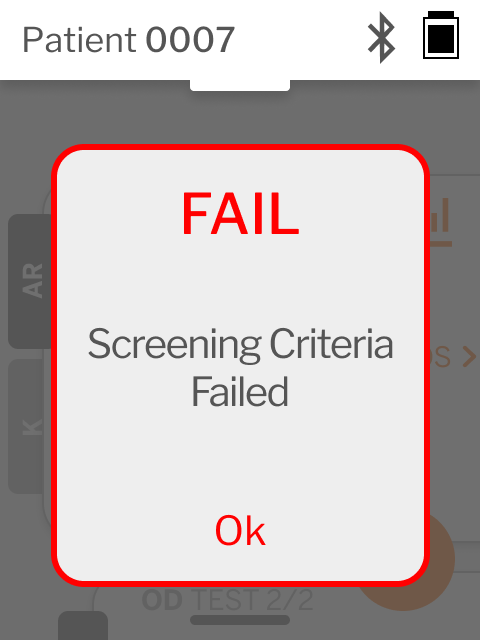
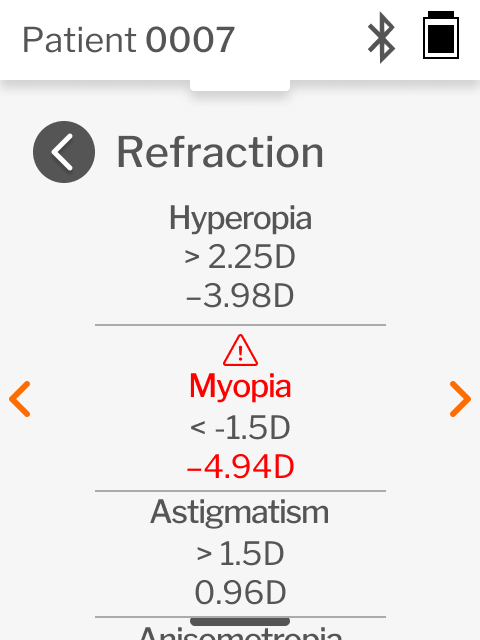
Turn every screening into clinically actionable data
Most screeners return a binary pass/refer with no breakdown of what drove the result. QuickSee Free tells you which parameters triggered the flag, the measured values, and the thresholds applied. That’s the difference between a referral and actionable clinical data.
IDEAL FOR
- Schools, community outreach, and mobile programs
- Elder care and nursing home rounds
- Mixed-age and general populations
- Diverse populations
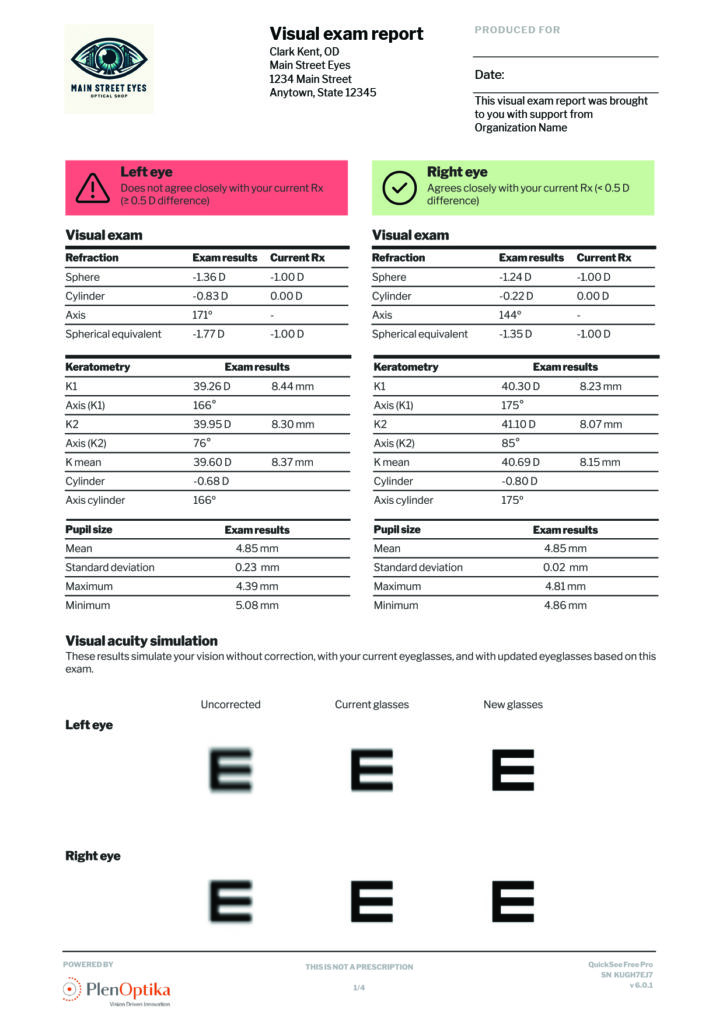
Companion App: A free extension that expands clinical utility
QuickSee Free and Free Pro work with a no-cost Companion App that extends the devices into a connected refraction system. While not required to perform refraction, the Companion App significantly expands what clinics can do with the data QuickSee Free captures.
The Companion App provides:
- More detailed refraction analysis UI for each patient
- Patient record management at scale, including pediatric populations
- Printable exam reports to explain your care recommendations
- Secure data management across devices and sites
- Ongoing software updates and support at no additional cost
Together, QuickSee Free and the Companion App form a lightweight care platform that supports both point-of-care refraction and downstream clinical workflows.
Next step
If you would like to see QuickSee Free or Free Pro in use, the next step is to schedule a demo or an on-site trial.
An on-site evaluation allows your team to assess refraction accuracy, workflow fit, and usability in your own care environment, with your patient population and staffing model.
QuickSee Free enables clinicians to perform refraction using objective measurements. Clinical judgment and comprehensive eye examinations remain the responsibility of the licensed provider.