Myopia, or nearsightedness, is no longer just a routine refractive condition. It has become one of the most urgent public health challenges of our time. Recent projections estimate that by 2050, nearly 5 billion people worldwide will be myopic—that’s roughly half the global population. Of even greater concern, nearly 1 billion are expected to have high myopia (greater than -6.00 D), significantly increasing their risk for serious eye health complications such as retinal detachment, glaucoma, and myopic maculopathy.
A modern lifestyle problem
The rapid rise in myopia prevalence has been linked closely to environmental and behavioral changes, particularly among children. Increased time spent on near work—including screen use and reading—paired with reduced outdoor exposure has created the conditions for what many are calling a “modern epidemic.”
Numerous studies indicate that more time spent outdoors, especially during childhood, can reduce the risk of developing myopia or slow its progression. This highlights an important shift for eye care professionals: the need to address not only refractive correction, but also education and lifestyle guidance as part of early intervention.
The case for early detection
Myopia often begins in early childhood and progresses rapidly. Without early detection, many children reach high myopia before adulthood, increasing their lifelong risk of visual impairment. This underscores the importance of regular vision screening in schools and pediatric settings.
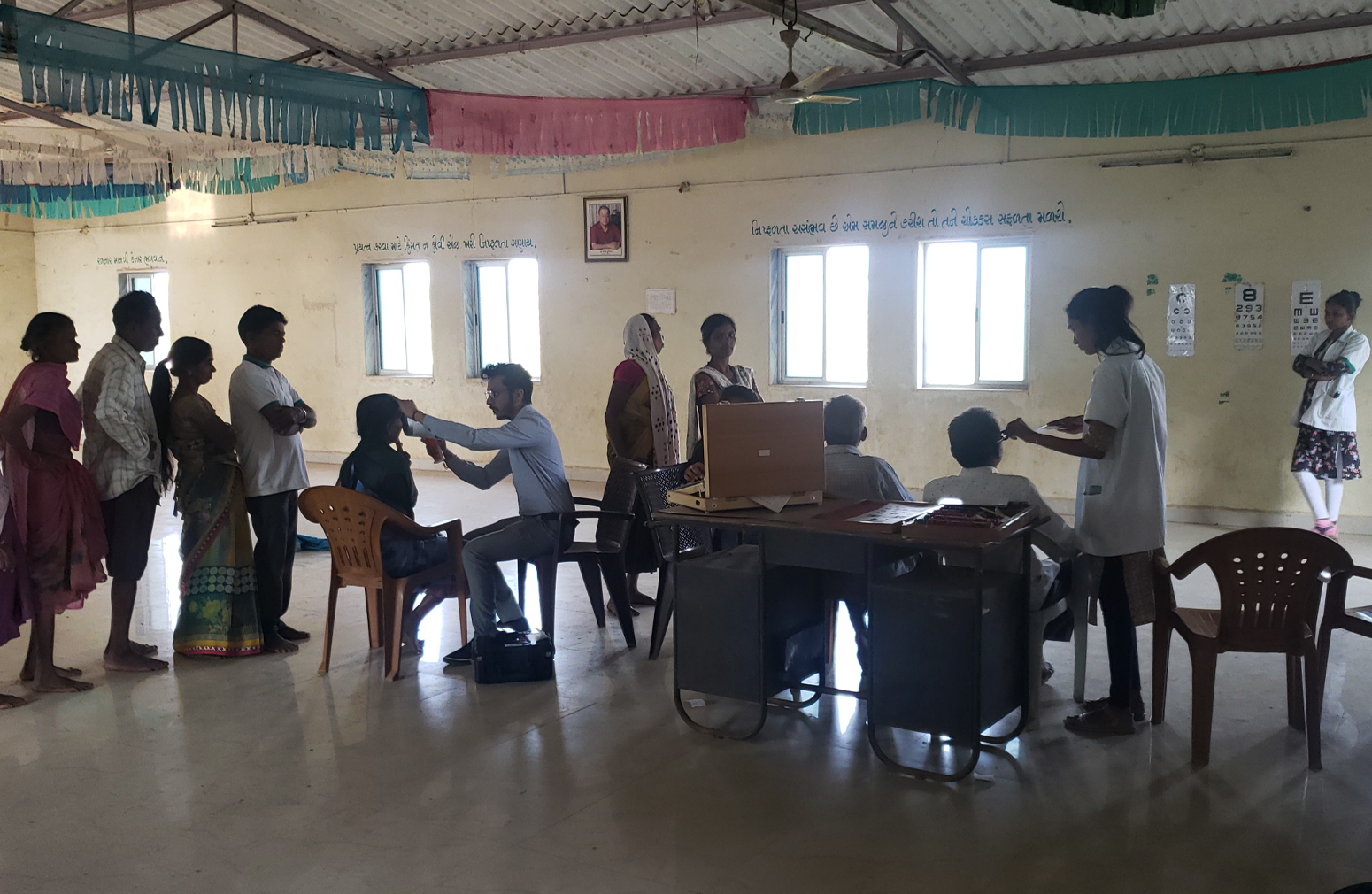
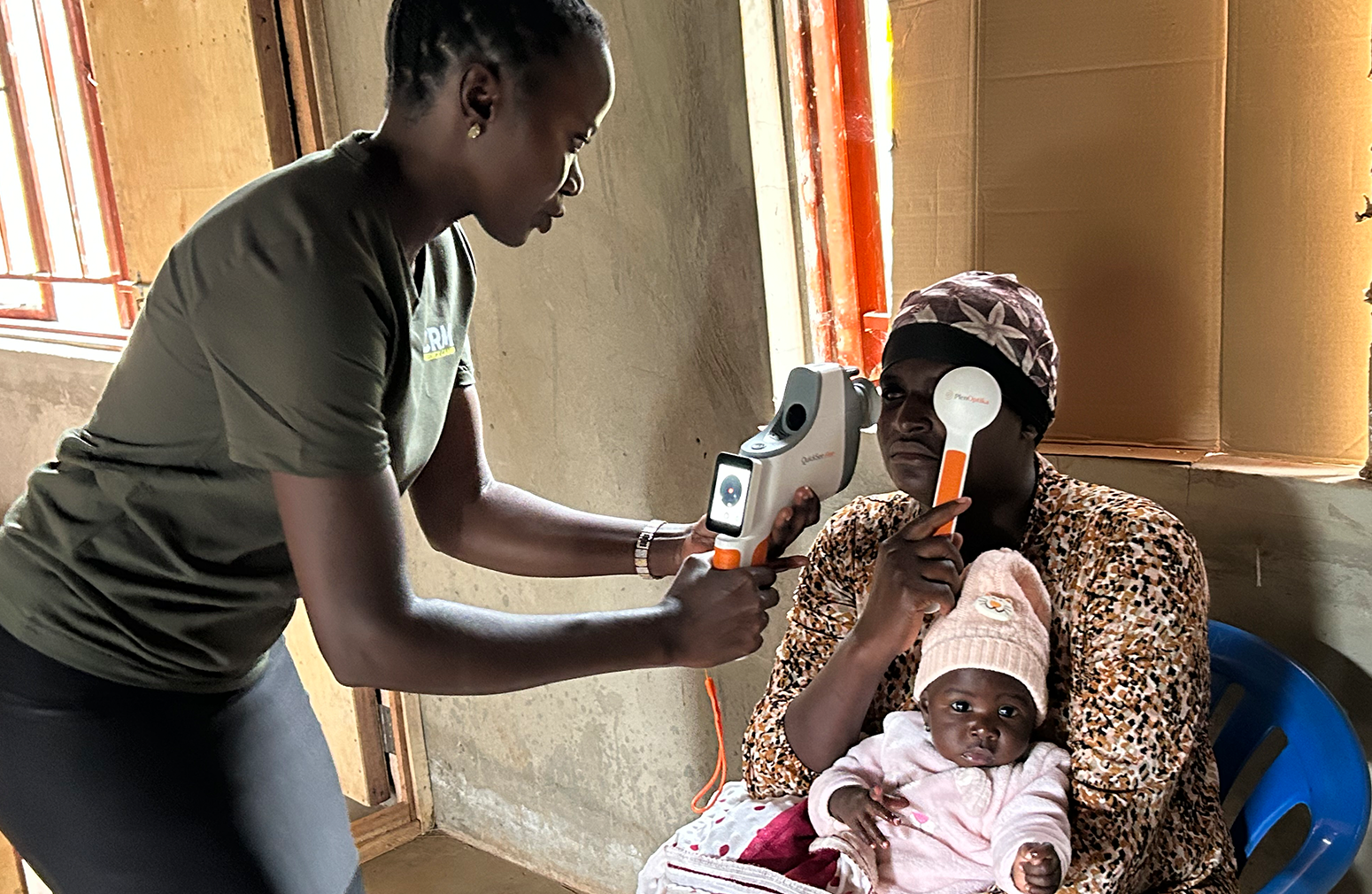
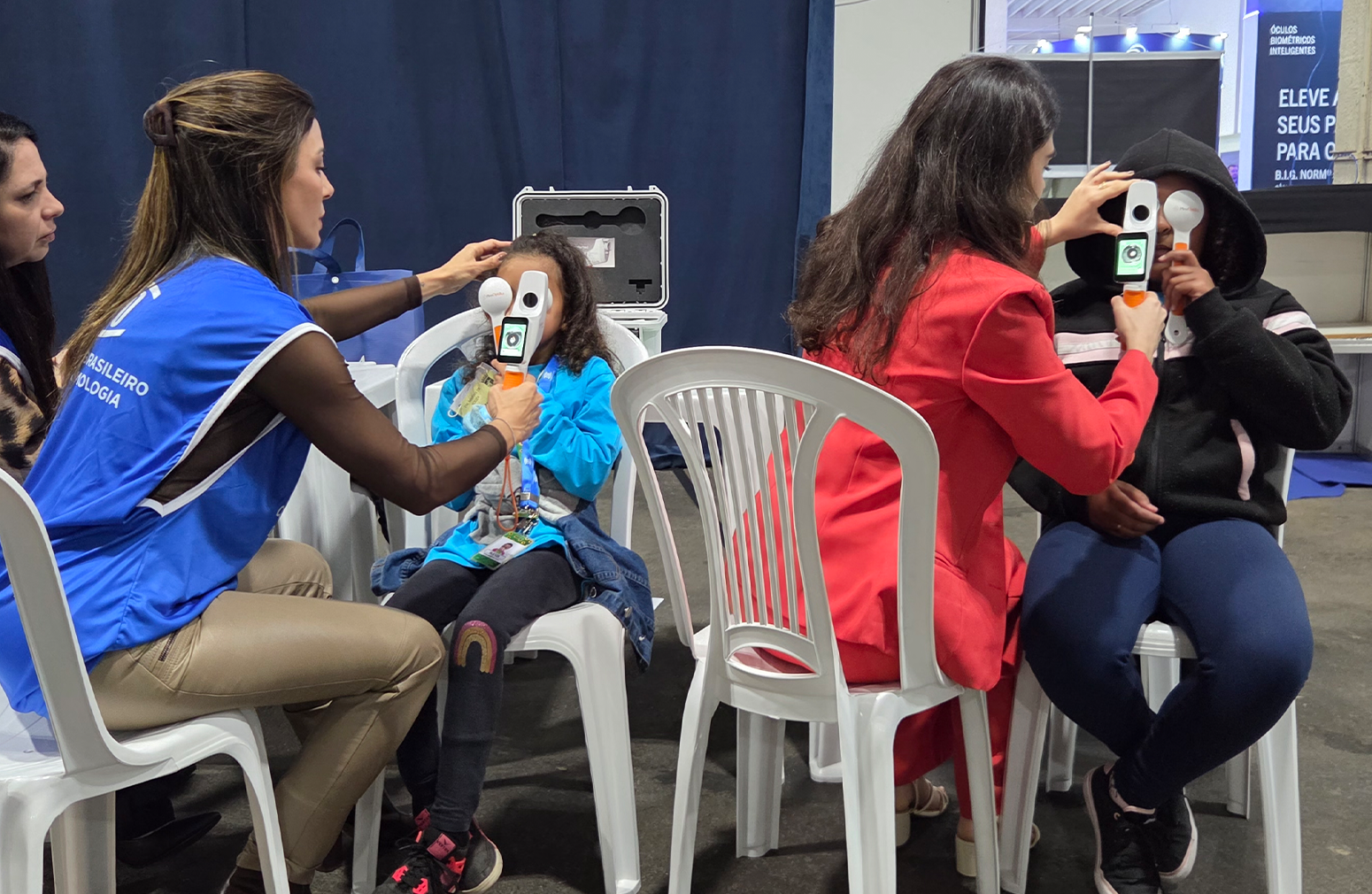
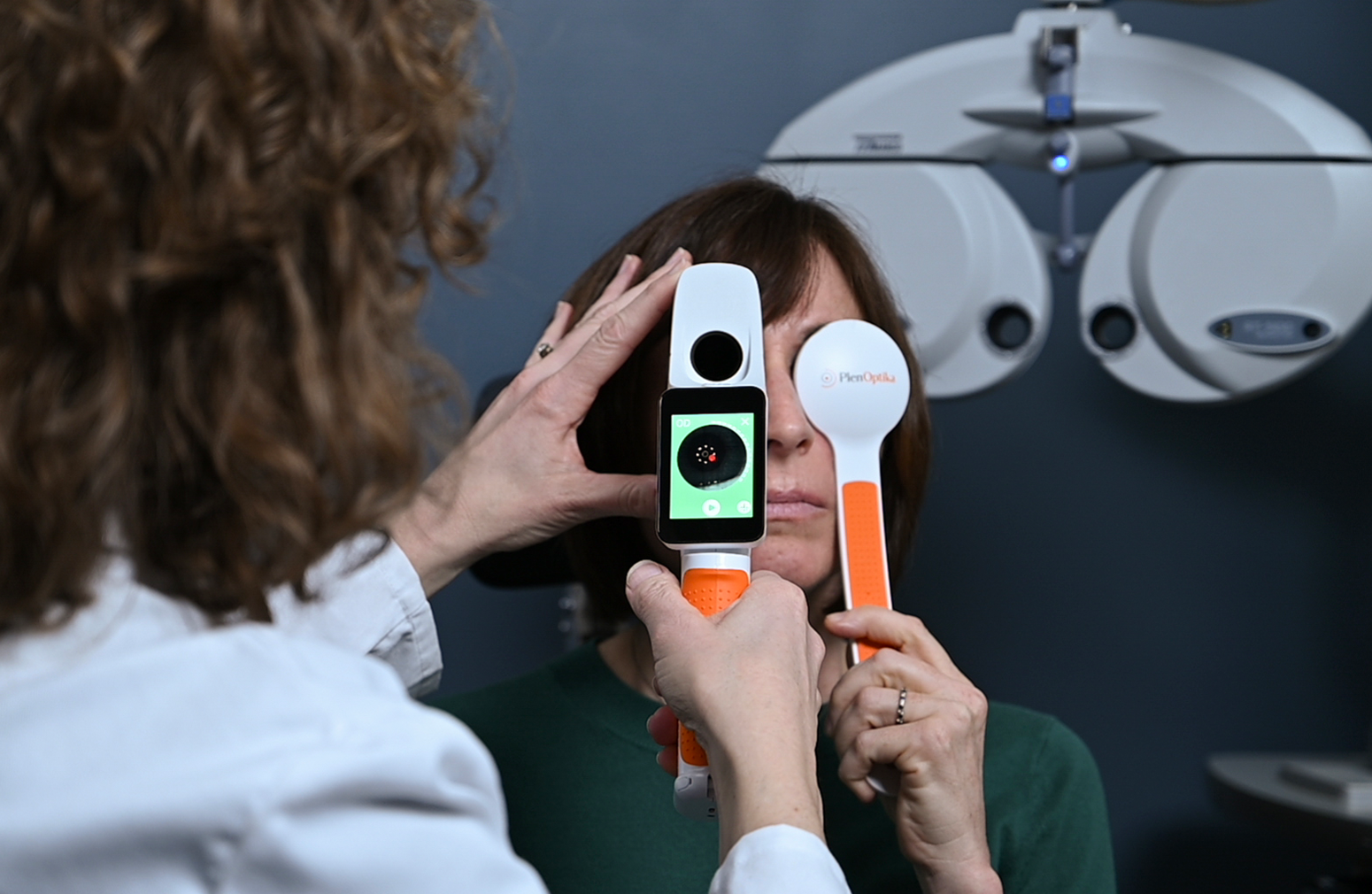
New tools, like handheld autorefractors that incorporate wavefront aberrometry, offer a practical solution. These devices can perform accurate, fast refractions outside of traditional clinical settings, enabling clinically valid measurements in schools, community clinics, and underserved areas.
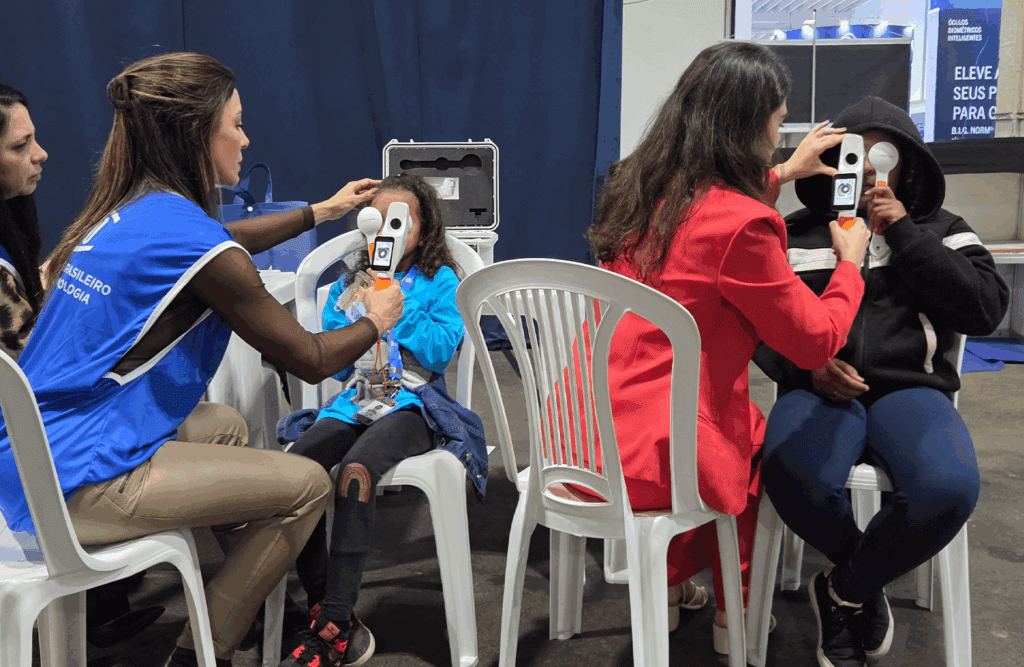
Dr Bruce Moore, a well-known optometrist and vision care researcher who has led many international pediatric vision care initiatives, shared his vision for intervention strategy at a conference in Asia this August. “We know that prevention is the single most important thing in every single disease…if we get to children before they tip over into myopia, maybe we can be far more effective, even with the tools we have today. …The only way we’re going to do it is by using refractive techniques done in a noncycloplegic manner at mass scale.” Dr Moore has taken QuickSee Free and its predecessor QuickSee on his mission trips across east Asia. Also in August, QuickSee Free Pro was used in a massive pediatric vision initiative organized by the Brazilian Council of Ophthalmology.
A public health and equity issue
The implications of uncorrected or under-managed myopia go beyond individual eye health. Poor vision impacts educational outcomes, social development, and long-term economic opportunity. In low-resource communities, where access to eye care remains limited, the consequences can be even more profound.
Efforts to manage myopia effectively must combine accurate clinical assessment with accessible tools and community-based care models. By expanding screening and encouraging lifestyle-based prevention strategies, eye care providers can help reduce the burden of myopia before it becomes irreversible.
Moving forward
The myopia epidemic is growing, but it can be mitigated. With early detection, proactive management, and a broader understanding of the lifestyle factors involved, eye care professionals have an opportunity to make a significant impact.
Now is the time to rethink how we approach nearsightedness—not just as a refractive condition, but as a long-term, systemic public health challenge that demands attention, innovation, and collaboration.
Sources