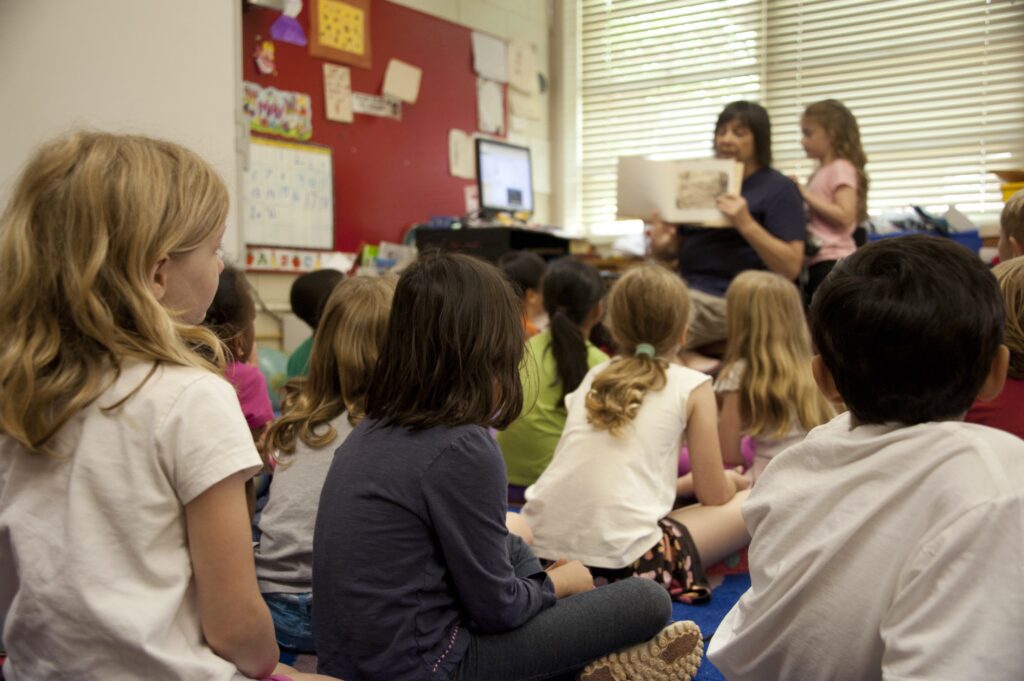
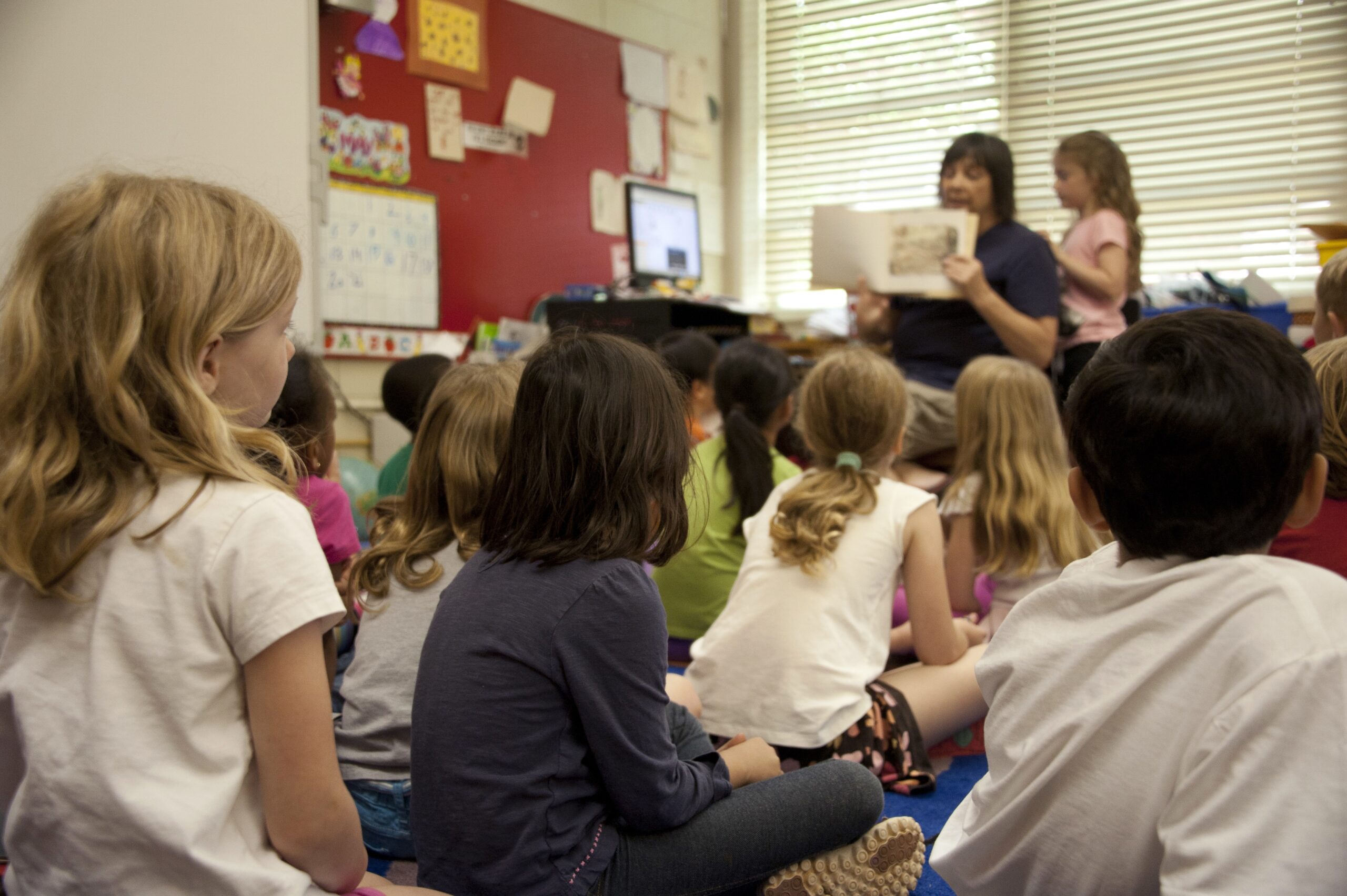
The start of a new school year is full of promise — new classes, new teachers, and fresh opportunities to learn and grow. But for many children, an unseen obstacle can get in the way of that promise: poor vision.
Uncorrected refractive errors are more common in children than many realize, and their impact reaches far beyond the classroom. Eye care professionals have a special opportunity to help students start school ready to learn, participate, and thrive.
Why early and regular vision screening matters
Children should be examined regularly for significant refractive error and vision conditions like amblyopia and strabismus. While many conditions deserve attention, myopia is especially concerning today. Globally, we’re seeing earlier onset and rising prevalence — the so-called “myopia epidemic” — which carries lifelong implications for ocular health, not to mention educational and economic outcomes.
The challenge? Many vision problems aren’t obvious. A child may see “well enough” to pass casual observation yet still struggle to read from the back of the classroom, catch a ball on the playground, or keep up with peers academically. These issues can quietly limit access to learning, sports, and social opportunities.
The limitations of traditional school screenings
School-based screenings have had a huge impact on children’s health for generations, but they often stop at identifying that a child “needs further evaluation.” They rarely provide a detailed refractive profile, making it harder for families and providers to follow up efficiently—so problems are identified but not readily solved.
On top of that, children need frequent eye exams — but that’s a difficult requirement for schools, families, and healthcare providers to meet. This means some children’s vision issues aren’t addressed until they’ve already affected their academic and social experiences.
A better way: Fast, accurate, child-friendly autorefraction
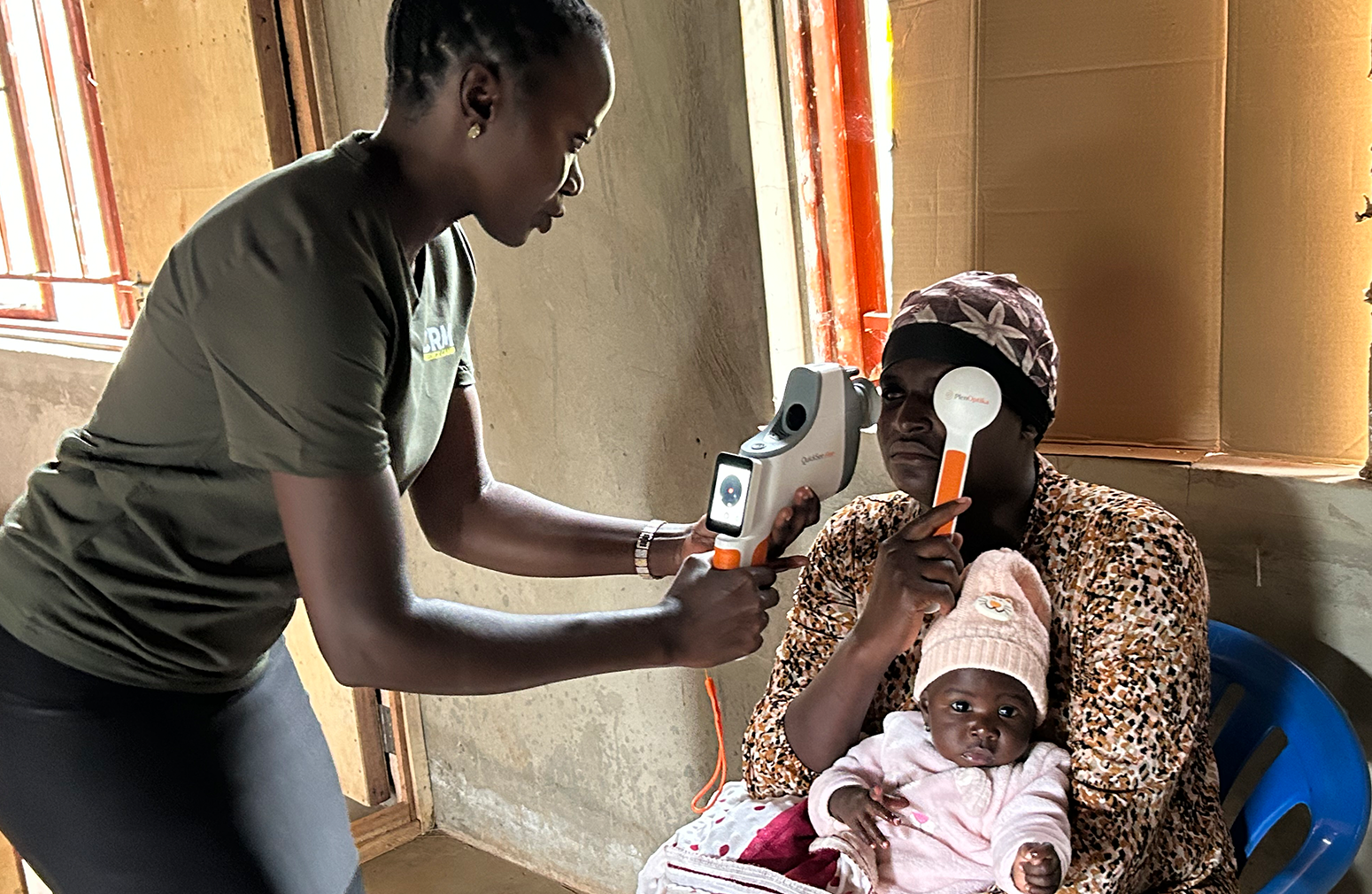
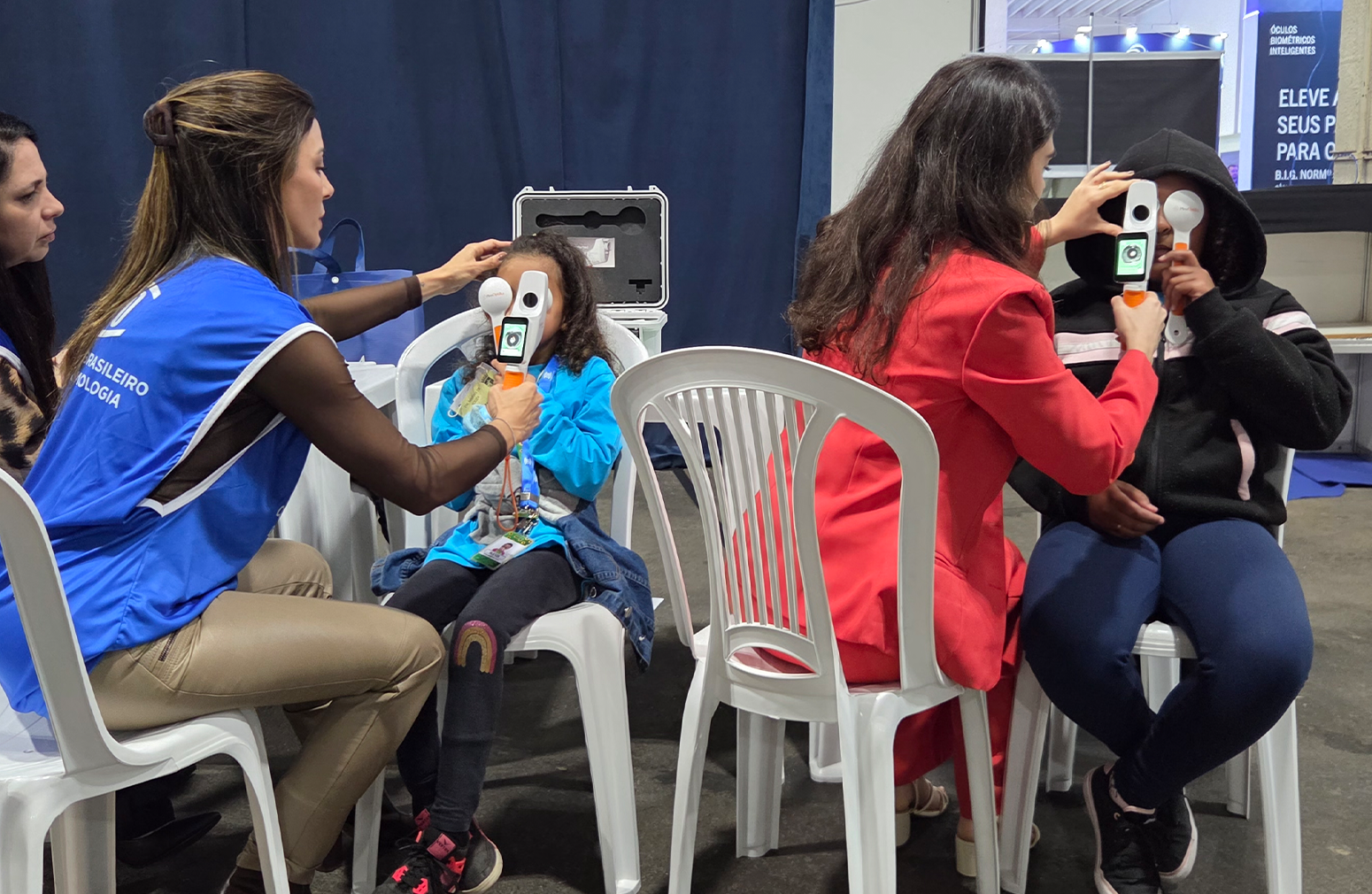
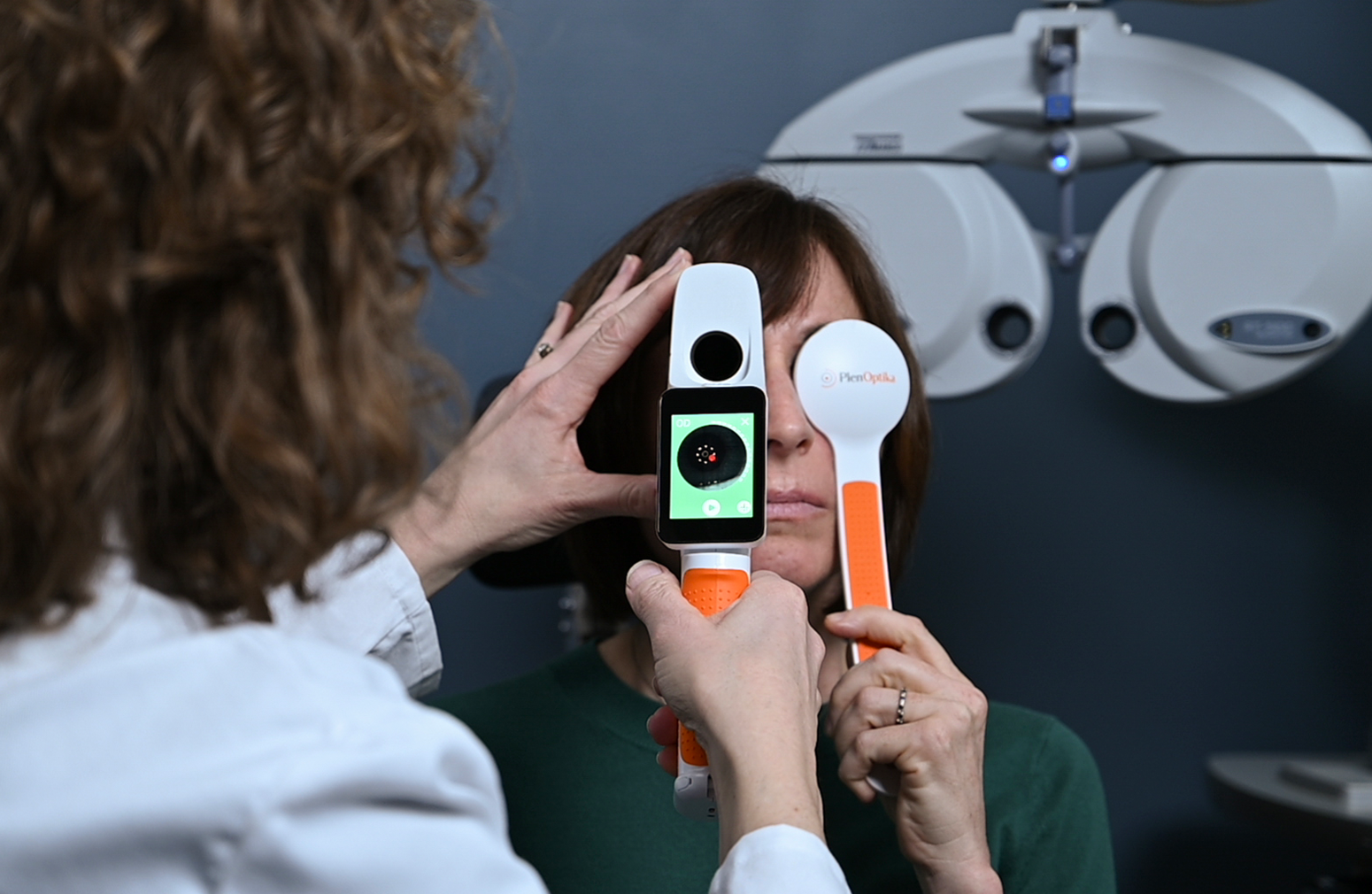
Our handheld autorefractor QuickSee Free Pro is designed to give eye care professionals — and even trained volunteers — the ability to gather highly accurate, detailed refractive data in under a minute. Training is straightforward, with most users ready to deliver clinical-quality results in less than an hour.
Several features make QuickSee Free Pro especially well suited to working with children:
- Open-view optical system: Children can maintain a natural viewing posture, reducing accommodation and the risk of overminused results.
- Quick and comfortable: No cycloplegia required, and minimal cooperation needed — ideal for fidgety or shy young patients.
- Wavefront aberrometry: Generates sophisticated, personalized refractive profiles so prescriptions can be tailored precisely to each child’s needs, shortening the path to correction
- Portability: The handheld form factor means exams can happen anywhere — in a clinic, classroom, gymnasium, or community event.
Our peer-reviewed and independent research shows how PlenOptika technology works with children, even in resource-constrained settings:
- Detection of significant vision conditions in children using QuickSee wavefront autorefractor
- Detection of premyopic and early myopic levels of refractive error in children using QuickSee wavefront autorefraction
- Assessment of the QuickSee wavefront autorefractor for characterizing refractive errors in school-age children
- The QuickSee autorefractor reliably measures the accommodative response in children compared with the Shin‑Nippon autorefractor
- Evaluation of the PlenOptika QuickSee Free Portable Autorefractor in Schools in The Gambia
- Evaluation of Refraction Outcomes From the QuickSee Wavefront Autorefractor Versus Subjective Clinical Refractometry in Children With Restricted Access to Eye Care in Amazonas, Brazil
Efficiency and impact in clinical and screening settings
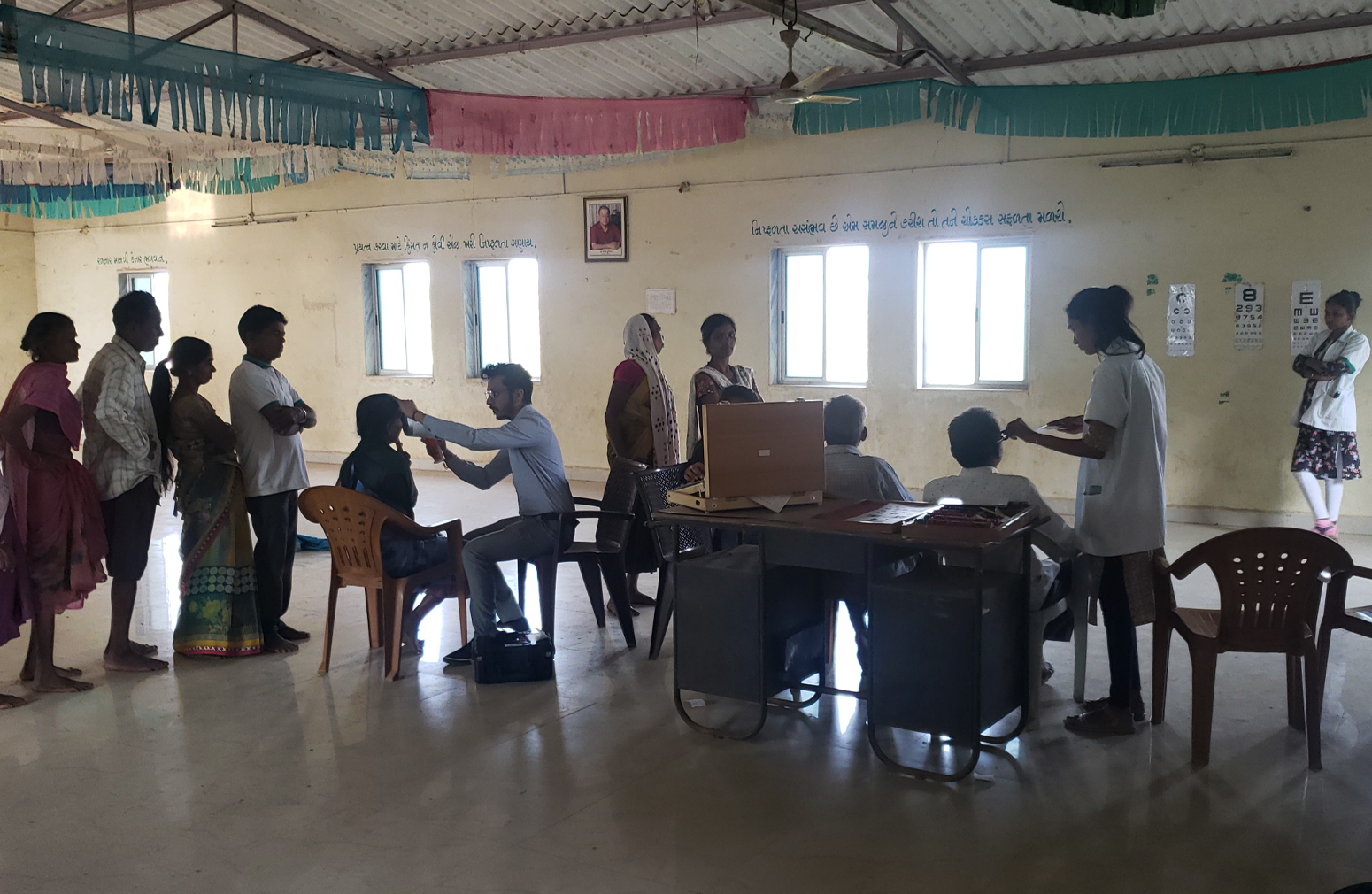
For busy practices, QuickSee Free Pro’s portability and ease of use mean important time savings without compromising quality. In school or community screenings, it allows high throughput with accurate, actionable results — bridging the gap between identifying a problem and delivering a solution.
What to tell parents
As you prepare families for the school year, here are three simple messages that resonate:
- Vision problems can be hidden — even without obvious signs, they can affect school, sports, and everyday activities.
- Exams are quick, painless, and easy — today’s technology makes them simple for children of all ages.
- Solutions are affordable and life-changing — a small, inexpensive correction can open doors to better learning, confidence, and participation.
How you can boost back to school readiness
This season is the perfect time to reach out to families in your practice and community. Share these talking points in conversations, school partnerships, and social media. Consider integrating advanced autorefraction into your workflow to make screenings faster, more accurate, and more actionable.
Because when a child can see clearly, they can learn fully — and that’s the best back-to-school preparation they can have.